Healthy Weight Loss for Women: A Simple Nutrition Guide for Sustainable Results
Healthy weight loss for women doesn’t have to mean extreme dieting, skipping meals, or giving up the foods you enjoy. A sustainable approach starts with balanced nutrition, satisfying whole foods, regular movement, and healthy habits you can realistically maintain.
If your goal is to lose weight, feel lighter, improve your energy, or support your body-contouring goals, nutrition is one of the best places to start.
This guide explains how to build a healthy weight-loss diet for women, which foods can help you stay satisfied, what to limit, and how to create an easy weekly meal plan that fits real life.
Healthy Weight Loss for Women: What Should You Eat?
There is no single “perfect” weight-loss diet that works for everyone.
A sustainable weight-loss plan should provide enough protein, fiber, healthy fats, vitamins, and minerals while helping you maintain an appropriate calorie intake for your individual needs. According to the CDC, gradual, steady weight loss is more sustainable than trying to lose weight too quickly.
Instead of focusing on restrictive diet rules, start with the quality and balance of your meals.
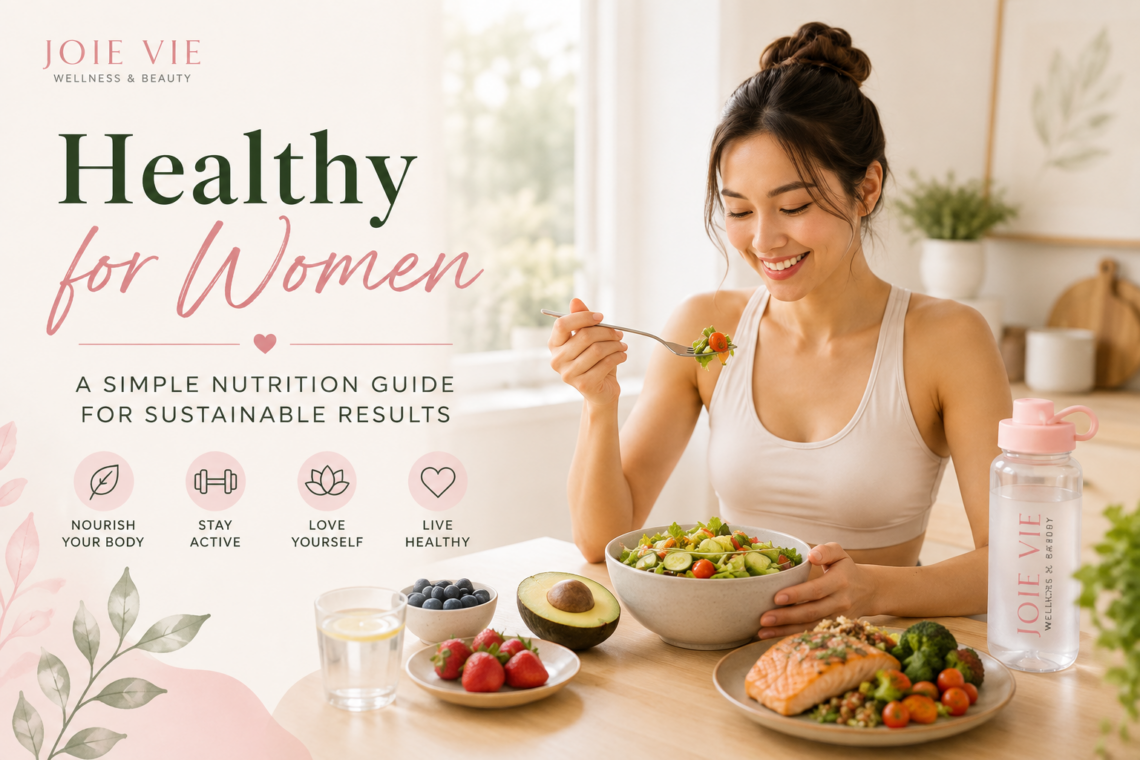
An easy way to build a healthy plate is:
½ of your plate:vegetables and fruit
¼ of your plate: lean protein
¼ of your plate: whole grains or other high-fiber carbohydrates
Add a small portion of healthy fats
This simple formula can make healthy eating much easier without requiring you to obsess over every calorie.
1. Fill Half Your Plate With Vegetables and Fruit
Vegetables and fruits are naturally rich in fiber, water, vitamins, minerals, and antioxidants.
Because many vegetables are relatively low in calories while providing volume and fiber, they can help make meals feel more satisfying.
Good choices include:
Vegetables
* Spinach
* Kale
* Broccoli
* Asparagus
* Bell peppers
* Zucchini
* Mushrooms
* Cucumbers
* Tomatoes
* Brussels sprouts
Fruits
* Blueberries
* Strawberries
* Apples
* Oranges
* Grapefruit
* Kiwi
* Peaches
Try adding vegetables to lunch and dinner rather than treating them as an afterthought.
For breakfast, berries or sliced fruit can be an easy addition to oatmeal, Greek yogurt, or eggs.
2. Make Protein Part of Every Meal
Protein is an important part of a healthy weight-management plan because it helps support muscle and can make meals more satisfying.
Instead of building your meal around refined carbohydrates, choose a quality protein source first.
Healthy protein options include:
* Salmon
* Cod
* Shrimp
* Tuna
* Skinless chicken
* Turkey
* Eggs
* Greek yogurt
* Cottage cheese
* Tofu
* Lentils
* Chickpeas
* Black beans
A practical portion for many meals is roughly a palm-sized serving of protein, although individual needs vary based on body size, activity level, age, and health goals.
Want to Lose Fat Without Losing Your Shape?
This is where protein becomes especially important.
When your goal is not simply “losing pounds” but creating a leaner, more defined appearance, maintaining muscle matters too.
Combine adequate protein with resistance exercise, regular movement, sufficient sleep, and an appropriate calorie intake rather than relying on crash diets.
3. Choose High-Fiber Carbohydrates
Carbohydrates are not automatically the enemy of weight loss.
The type of carbohydrate — and the portion — matters.
Instead of eliminating carbohydrates completely, choose minimally processed, fiber-rich options such as:
* Oatmeal
* Brown rice
* Quinoa
* Barley
* Buckwheat
* Sweet potatoes
* Beans
* Lentils
* Whole-grain bread
* Whole-grain pasta
These foods generally provide more fiber and nutrients than highly refined alternatives.
For example, replace white bread with whole-grain bread or replace a large serving of white rice with a smaller portion of brown rice or quinoa plus additional vegetables.
Small substitutions can become meaningful habits over time.
4. Don’t Be Afraid of Healthy Fats
Eating fat does not automatically make you gain body fat.
Healthy fats are an important part of a balanced diet and can make meals more enjoyable and satisfying.
Good sources include:
* Avocado
* Extra-virgin olive oil
* Almonds
* Walnuts
* Chia seeds
* Flaxseeds
* Natural peanut or almond butter
The key is portion awareness.
Nuts, oils, avocado, and nut butters are nutrient-dense but also calorie-dense, so a little can go a long way.
Healthy weight loss for women works best when nutrition is balanced, satisfying, and realistic enough to maintain long term.
Foods to Limit When You’re Trying to Lose Weight
Healthy weight loss does not require labeling foods as completely “good” or “bad.”
However, certain foods and drinks are easy to overconsume while providing relatively little satiety or nutritional value.
Reducing them can make weight management much easier.
Sugary Drinks
Start here.
Liquid calories can add up quickly without making you feel as full as a balanced meal.
Limit:
* Regular soda
* Sweetened iced tea
* Energy drinks
* Sweetened coffee drinks
* Large flavored lattes
* Fruit drinks with added sugar
Water, sparkling water, unsweetened tea, and coffee with minimal added sugar are simple alternatives.
Highly Processed Snacks
Foods such as cookies, candy, doughnuts, chips, pastries, and many packaged snack foods are designed to be extremely easy to eat.
You don’t necessarily need to eliminate them forever.
Instead, make them occasional foods rather than everyday staples.
Keep convenient alternatives nearby, such as:
* Fresh fruit
* Greek yogurt
* Vegetables with hummus
* A small portion of nuts
* Apple slices with peanut butter
* Cottage cheese with berries
Your environment matters. If nutritious foods are easy to reach, healthy choices become easier too.
The Hidden Weight-Loss Problem: Portion Size
You can eat nutritious foods and still consume more energy than your body needs.
Olive oil is healthy.
Avocados are healthy.
Almonds are healthy.
Peanut butter is healthy.
But all of them are relatively calorie-dense.
Rather than eliminating these foods, pay attention to portions.
A simple strategy is to slow down while eating and give yourself time to notice fullness.
Try putting your meal on a plate instead of eating directly from a package. Sit down, minimize distractions, and allow yourself to actually experience the meal.
It sounds simple — because it is.
And simple habits are often the ones people can maintain.
How Much Water Should You Drink for Weight Loss?
Hydration supports normal body function and can also help you avoid confusing thirst with hunger.
Water needs vary depending on body size, activity level, climate, diet, pregnancy, medications, and other individual factors, so there is no universal amount that is perfect for everyone.
A practical approach is to drink water regularly throughout the day and increase your intake during exercise or hot weather.
Try replacing sugary beverages with:
* Water
* Sparkling water
* Unsweetened iced tea
* Herbal tea
* Water flavored with lemon, cucumber, berries, or mint
This is one of the easiest ways to reduce unnecessary added sugar without making your meals smaller.
For many people, healthy weight loss for women is not about eating less—it is about building better habits around food, movement, sleep, and daily routines.
7-Day Healthy Weight-Loss Meal Plan
Need somewhere to start?
Here is a simple example of how healthy meals can look throughout the week.
This is not a personalized calorie prescription. Portions should be adjusted according to your individual nutritional needs.
Monday
Breakfast:
Greek yogurt with blueberries, chia seeds, and a small drizzle of honey
Lunch:
Grilled chicken salad with mixed greens, cucumber, tomatoes, avocado, and olive oil-lemon dressing
Dinner:
Baked salmon with asparagus and brown rice
Snack:
Apple with a small handful of almonds
Tuesday
Breakfast:
Oatmeal with banana, cinnamon, and natural peanut butter
Lunch:
Whole-grain turkey and avocado sandwich with a side salad
Dinner:
Tofu stir-fry with broccoli, carrots, mushrooms, and quinoa
Snack:
Greek yogurt or cottage cheese with berries
Wednesday
Breakfast:
Spinach and vegetable omelet with whole-grain toast
Lunch:
Tuna and chickpea salad with mixed greens, cucumber, tomatoes, and olives
Dinner:
Roasted skinless chicken with sweet potato and steamed kale
Snack:
Carrots and hummus
Thursday
Breakfast:
Greek yogurt bowl with strawberries, walnuts, and chia seeds
Lunch:
Grilled salmon bowl with quinoa, greens, cucumber, and avocado
Dinner:
Turkey meatballs with roasted vegetables and a small serving of whole-grain pasta
Snack:
Apple with peanut butter
Friday
Breakfast:
Oatmeal with berries and almonds
Lunch:
Chicken and vegetable wrap with a whole-grain tortilla
Dinner:
Grilled shrimp with roasted zucchini, peppers, and brown rice
Snack:
Greek yogurt
Saturday
Breakfast:
Eggs with avocado and whole-grain toast
Lunch:
Lentil and vegetable soup with a mixed green salad
Dinner:
Lean beef with roasted vegetables and sweet potato
Snack:
Fresh fruit and a small handful of nuts
Sunday
Breakfast:Greek yogurt with fruit and chia seeds
Lunch:Grilled chicken or tofu bowl with quinoa and colorful vegetables
Dinner:Baked fish with broccoli, asparagus, and brown rice
Snack:Vegetables with hummus
7 Habits That Can Make Weight Loss Easier
Healthy weight management goes beyond what is on your plate.
Your daily routine matters too.
1. Plan Your Meals Before You’re Hungry
When you are extremely hungry, convenience usually wins.
Preparing proteins, vegetables, and healthy snacks ahead of time can make better choices almost automatic.
2. Prioritize Protein at Breakfast
Instead of starting every morning with pastries or sugary cereal, include foods such as eggs, Greek yogurt, cottage cheese, or another protein source.
3. Walk More
You do not need an extreme workout routine to start becoming more active.
Walking after meals, taking the stairs, and adding movement throughout your day all count.
4. Add Strength Training
Resistance exercise can help maintain and build muscle while you work toward changes in body composition.
5. Get Enough Sleep
Sleep and weight management are closely connected.
A consistent sleep routine can support energy, appetite regulation, exercise recovery, and overall wellness.
6. Stop Drinking Your Calories Every Day
If you make only one nutrition change this week, replacing sugary drinks with lower-calorie or unsweetened options is an excellent place to start.
7. Think in Months, Not Days
Extreme diets often promise dramatic results quickly.
Sustainable body changes usually come from habits you can repeat for months and eventually make part of your lifestyle.
Weight Loss vs. Body Contouring: What’s the Difference?
This distinction is important.
Weight loss focuses on reducing overall body weight, generally through nutrition, physical activity, and lifestyle changes.
Body contouring, on the other hand, is designed to address body shape or specific areas of concern.
A person can lose weight and still feel frustrated by certain areas of the abdomen, waist, thighs, arms, or other parts of the body.
Likewise, body-contouring treatments should not be presented as a substitute for healthy weight management.
For many people, the best aesthetic strategy begins with a healthy lifestyle and then considers appropriate aesthetic options based on their individual goals.
Can Healthy Eating Improve Body-Contouring Results?
Healthy nutrition can be an important part of maintaining your overall wellness and body-composition goals before and after aesthetic treatments.
A balanced diet, adequate hydration, regular movement, and consistent weight-management habits may help you maintain your results over the long term.
The important word is **maintain**.
Aesthetic treatments should complement healthy habits — not replace them.
If you are considering a body-contouring or wellness treatment, a professional consultation can help determine what approach is appropriate for your body and your goals.
requently Asked Questions About Healthy Weight Loss
What should I eat every day to lose weight?
Focus on vegetables, fruit, lean proteins, whole grains, legumes, and moderate portions of healthy fats. Your total calorie and nutrient needs depend on your body and lifestyle, so there is no single meal plan that works for everyone.
Do I need to stop eating carbs to lose weight?
No. Whole-food carbohydrate sources such as oats, beans, quinoa, brown rice, fruit, and sweet potatoes can fit into a healthy weight-management plan.
What foods should I avoid when trying to lose weight?
Rather than completely banning foods, reduce foods that are easy to overconsume, including sugary drinks, sweets, fried foods, heavily processed snacks, and large portions of refined carbohydrates.
How quickly should I lose weight?
For many adults who need to lose weight, gradual rather than extreme weight loss is generally more sustainable. Your appropriate target depends on your starting weight, medical history, medications, and other factors. Talk with a qualified healthcare professional before making major changes to your diet or weight-loss plan.
Can I lose weight and still eat at restaurants?
Absolutely.
Look for grilled, baked, steamed, or roasted proteins; add vegetables; choose sensible portions; and ask for sauces and dressings on the side.
You do not need a “perfect” diet.
You need a lifestyle you can actually live with.
Ready to Take the Next Step Toward Your Body Goals?
Healthy eating is the foundation of long-term weight management — but your goals may go beyond the number on the scale.
You may want to feel leaner, improve body definition, address areas that have been resistant to diet and exercise, or simply feel more confident in the way your body looks.
That is where a personalized approach matters.
If you are interested in exploring
weight-management, wellness, or body-contouring options, schedule a personalized consultation with our team.You can also explore Joievie’s Kiki Cupping options as part of a broader body wellness and self-care routine.
We can discuss your goals, evaluate your individual needs, and help you understand which options may be appropriate for you.
Start with healthy habits. Build from there.
This article is for general educational purposes and is not a substitute for individualized medical or nutritional advice. If you have a medical condition, take medication, are pregnant or breastfeeding, or are considering significant weight loss, consult an appropriate healthcare professional.
Ultimately, healthy weight loss for women should focus on sustainable habits that support energy, confidence, and long-term wellness rather than quick fixes.